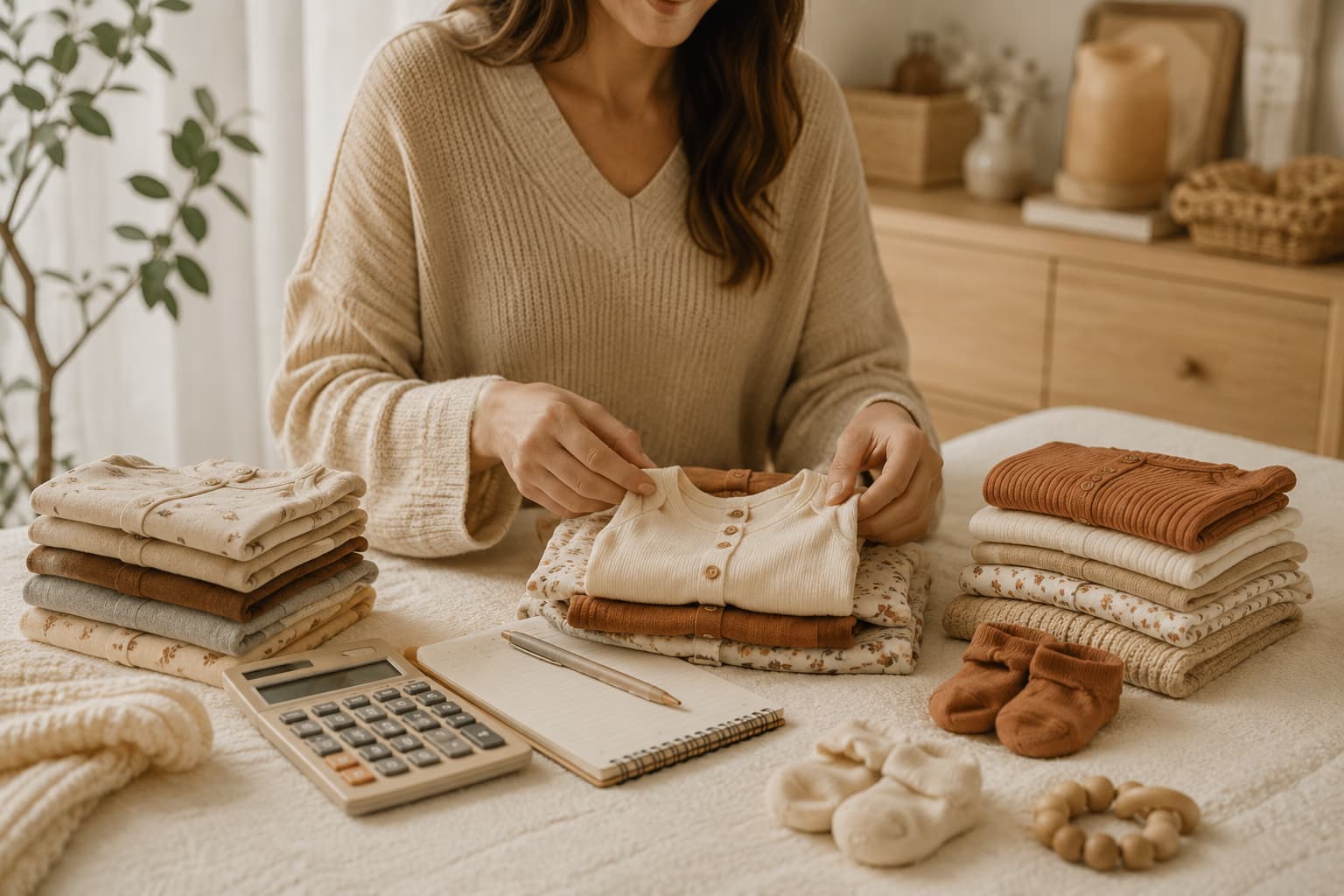
Sustainable baby clothing tips can help parents reduce waste while keeping babies comfortable and well dressed. Baby wardrobes can grow quickly because sizes change, gifts arrive, and cute pieces are hard to resist. Without a plan, drawers fill with clothes that are worn once or never worn at all. A more sustainable approach focuses on fewer pieces, better use, secondhand options, and responsible passing along. A thoughtful eco-friendly baby wardrobe helps parents save money and reduce clutter. Sustainability becomes easier when it also supports daily life.
Sustainable Baby Clothing Tips save more than money because they reduce waste, clutter, and decision fatigue. A practical low-waste baby closet starts with buying only what the baby can realistically wear. Clothes that sit unused still consume money, space, and resources. Choose pieces that layer, wash well, and move across outfits. Accept that not every adorable item needs to come home. Sustainability works best when it feels manageable. Parents need systems that fit real laundry, real growth, and real family routines.
Sustainable Baby Clothing Tips often begin with secondhand shopping because baby clothes are frequently lightly used. Thrift stores, parent swaps, online bundles, and hand-me-downs can provide excellent basics. A useful pre-loved baby clothes method checks softness, stretch, stains, snaps, and safety. Wash everything before use. Avoid keeping pieces that are uncomfortable or impractical. Secondhand shopping is not about taking everything available. It is about choosing well. When parents shop selectively, pre-loved clothing becomes both beautiful and efficient.
Durable fabrics make baby clothes more sustainable because they survive more washes and more children. Cotton, bamboo blends, fleece, knits, denim, and sturdy ribbed fabrics can all serve different needs. A thoughtful baby fabric care approach considers softness, washing, climate, and movement. Avoid delicate pieces for everyday use if they require too much maintenance. Clothes that are easy to care for get worn more often. The more use each item gets, the more sustainable it becomes.
Sustainable Baby Clothing Tips work better when parents rotate sizes intentionally. Keep current sizes visible. Store future sizes clearly. Move outgrown pieces quickly. A practical baby size organizer prevents overbuying because you can see what is already waiting. Label bins by size and season. Review them before shopping. This avoids duplicate purchases and missed outfits. Many clothes become waste simply because parents forget they exist until the baby has outgrown them. Visibility protects both money and resources.
Sustainable Baby Clothing Tips should include what happens after clothes no longer fit. Pass along wearable items, donate clean pieces, sell bundles, or store special favorites carefully. A smart baby clothing rotation keeps items moving instead of piling up. Repair simple issues when possible. Recycle textiles that are no longer wearable. The exit plan matters as much as the buying plan. A sustainable wardrobe has a full life cycle, from purchase to use to thoughtful release.
Sustainability should feel practical, not perfect. Start with fewer purchases, more visibility, and better reuse. For budget basics, read the Baby Clothes on a Budget article. For a streamlined wardrobe, continue with the Affordable Baby Wardrobe article. The Smart Baby Style on a Budget resource helps parents create sweet baby outfits with less waste and more intention.



Leave a comment